Optimizing User Experience Through Strategic SEO and Web Icon Design
In the modern digital landscape, the intersection of search engine optimization and visual user interface elements is often overlooked. While many professionals focus heavily on keyword density and backlink profiles, the role of SEO and Web Icon Design in retaining visitors and reducing bounce rates is equally critical. Icons serve as visual representations of objects, applications, or functions within an operating system or application. They provide easily recognizable and intuitive imagery to users about specific elements or functions without the need for text or words. This immediate cognitive recognition is vital for keeping users engaged, which is a key metric search engines use to evaluate page quality.
When we discuss SEO and Web Icon Design, we are not merely talking about aesthetic choices. We are discussing the structural integrity of user experience (UX). Icons are widely used across platforms, including operating systems such as Windows, macOS, and Linux, software applications, websites, and mobile apps. Their universal language transcends barriers, allowing users to navigate complex interfaces with speed and confidence. A well-designed icon set can significantly reduce the cognitive load on a visitor, leading to longer session durations and higher conversion rates.
The Strategic Value of Vector Illustration in UI Applications
The foundation of effective SEO and Web Icon Design lies in the technical format of the assets used. For professional User Interface Application development, vector illustration is the industry standard. Unlike raster images, which pixelate when scaled, vectors maintain crisp edges at any resolution. This scalability is essential for responsive web design, where icons must look sharp on everything from a small smartphone screen to a high-resolution desktop monitor.
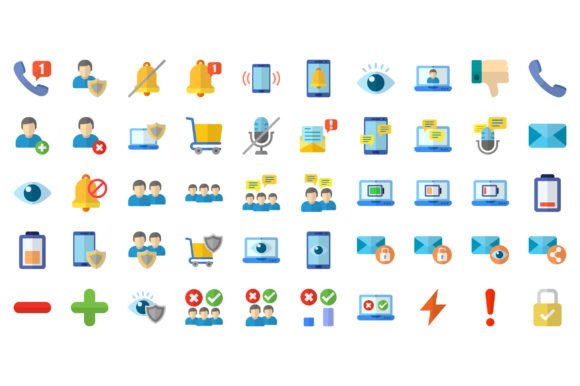
Consider a comprehensive package that offers simple and colorful icons, best used for User Interface Application workflows. Such resources typically include essential symbols like Alert, Bell, Email, and navigation markers. The value here is twofold: consistency and performance. When you utilize a cohesive set of 100 icons provided in both EPS File and AI File formats, you ensure that every visual element on your site shares the same stroke weight, color palette, and stylistic nuance. This visual harmony signals professionalism and reliability to the user, reinforcing brand trust.
From an SEO perspective, using optimized vector files can improve page load speeds compared to heavy image files. Faster loading times are a direct ranking factor for Google. Therefore, integrating lightweight, scalable icons into your web architecture supports both aesthetic goals and technical SEO requirements. The flexibility of AI and EPS files allows designers to customize colors and shapes to match specific brand guidelines without losing quality, ensuring that the visual identity remains unique and memorable.
Enhancing Usability and Accessibility
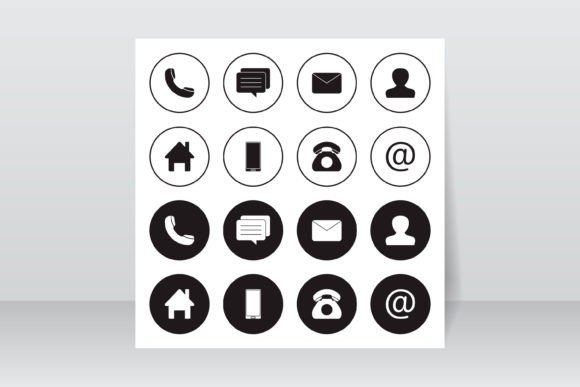
One of the primary strengths of effective SEO and Web Icon Design is its ability to enhance usability. Icons act as signposts, guiding users through a website’s journey. For instance, a Bell icon universally signifies notifications, while an Envelope indicates communication channels. These visual cues allow users to predict functionality before interacting with an element. This predictability reduces friction and encourages deeper exploration of the site’s content.
However, usability extends beyond mere recognition; it includes accessibility. Search engines increasingly prioritize sites that are accessible to all users, including those with disabilities. When implementing icons, it is crucial to pair them with appropriate alt text or ARIA labels. This practice ensures that screen readers can interpret the visual information, making your site inclusive. Furthermore, clear labeling helps search engine crawlers understand the context of the icon, contributing to better indexing and relevance scoring.
The simplicity of the design plays a pivotal role here. Complex, cluttered icons can confuse users and slow down decision-making. Simple and colorful designs strike a balance between visibility and clarity. They draw attention without overwhelming the interface. For example, an Alert icon should be immediately distinguishable from a standard informational icon through color coding and shape differentiation. This clarity is essential for maintaining a smooth user flow, which indirectly supports SEO by keeping users on the page longer.
Practical Applications for Professionals and Creators
Who benefits most from investing time in high-quality SEO and Web Icon Design? The answer spans a wide demographic of digital professionals. Entrepreneurs launching new products need intuitive interfaces to guide early adopters. Marketers require engaging visuals to highlight call-to-action buttons and key features. Freelancers and bloggers use icons to break up text-heavy content, making articles more scannable and digestible.
For small business owners, a professional-looking website is often the first point of contact with potential customers. Using a standardized set of 100 icons ensures that the site looks polished and complete. It eliminates the haphazard appearance that comes from mixing icons from different sources with varying styles. Consistency in design reflects consistency in business operations, fostering trust.
Educators and publishers also find significant value in these assets. When creating online courses or digital publications, icons can help organize modules, highlight important notes, or indicate downloadable resources. The visual structure provided by icons helps learners navigate educational content more effectively, improving retention and satisfaction rates.
Evaluating Quality and Long-Term Value
When selecting resources for SEO and Web Icon Design, quality should never be compromised. A high-quality icon set offers versatility. The inclusion of both EPS and AI files means that designers have full control over the assets. They can modify paths, adjust anchor points, and recolor elements to fit evolving brand needs. This flexibility ensures that the investment has long-term value. As your brand grows and changes, your iconography can evolve with it without requiring a complete redesign.
Reliability is another critical factor. Professional icon sets are designed with grid systems and optical corrections to ensure they look balanced at various sizes. This attention to detail prevents visual fatigue and maintains a premium feel. In contrast, poorly designed icons can appear misaligned or inconsistent, detracting from the overall user experience and potentially harming brand perception.
Moreover, the effectiveness of these icons lies in their universality. Symbols like the Bell for notifications or the Email envelope are recognized globally. This reduces the need for translation and makes your content accessible to a broader international audience. For businesses targeting global markets, this universal visual language is an invaluable asset in overcoming linguistic barriers.
Limitations and Best Practices
While SEO and Web Icon Design offers numerous benefits, it is not a standalone solution. Icons should complement text, not replace it entirely. Over-reliance on icons without clear labels can lead to ambiguity, especially for less tech-savvy users. It is essential to strike a balance, using icons to enhance understanding rather than obscure it. Testing your interface with real users can help identify any confusing symbols that may need clarification.
Additionally, while vector files are efficient, improper implementation can still impact performance. Ensure that SVG code is clean and minified if used directly in HTML. Avoid embedding unnecessary metadata or scripts within the icon files. Regular audits of your site’s visual assets can help maintain optimal performance levels.
In conclusion, integrating thoughtful SEO and Web Icon Design into your digital strategy is a practical step toward improving user engagement and search visibility. By focusing on simplicity, consistency, and technical optimization, you create an environment where users can navigate effortlessly. Whether you are a developer, marketer, or business owner, understanding the power of these visual tools can elevate your project from functional to exceptional. The right icons do more than decorate; they communicate, guide, and convert, making them an indispensable component of modern web design.