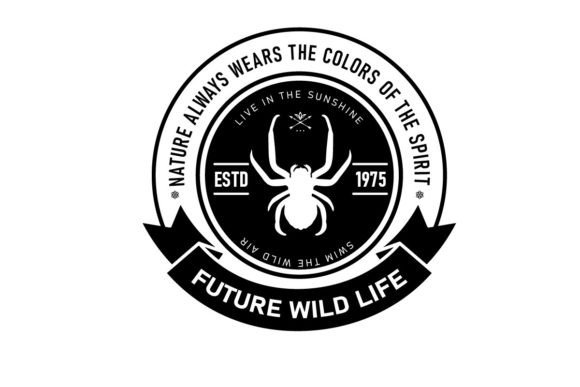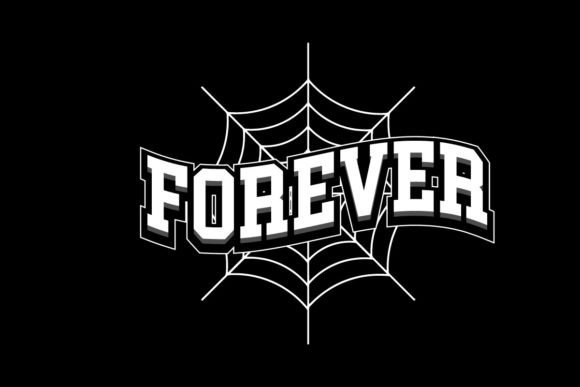
Spider Web Streetwear Design: A Practical Guide to Urban Graphic Assets
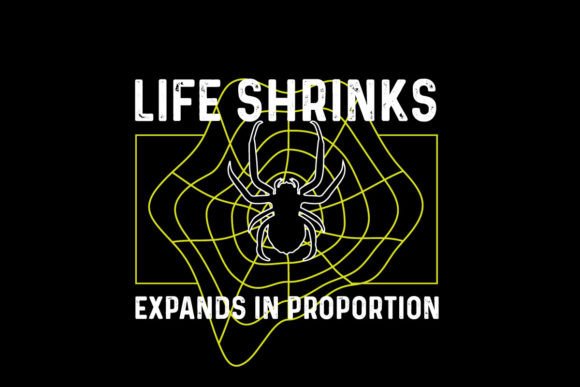
There is a distinct moment in the lifecycle of any streetwear brand or independent creator when the gap between vision and execution feels widest. You have the concept for a collection—perhaps something dark, intricate, and rooted in urban aesthetics—but you lack the hours required to draw every strand by hand. This is where a curated Spider Web Streetwear Design package becomes more than just a digital download; it becomes a production shortcut that respects your time while elevating your output.
These designs are not merely clip art. They are structured, aesthetic urban streetwear collections specifically engineered for custom printed clothing. Whether you are launching a new line of hoodies, creating merchandise for a music tour, or designing limited-edition tees for an online store, having access to high-quality vector sources changes the workflow entirely. The core value here lies in flexibility. Because these files are provided in EPS format, they are infinitely scalable. You can stretch a web across the entire back of an oversized jacket or shrink it down for a subtle chest pocket detail without losing a single pixel of clarity.
Why Vector Formats Matter for Commercial Printing
If you have ever sent a design to a printer only to receive a proof with jagged edges or blurry lines, you understand the critical importance of vector graphics. Raster images, like standard JPEGs or PNGs, are made of pixels. When you enlarge them, those pixels become visible, resulting in a low-quality print that looks unprofessional. In contrast, the Spider Web Streetwear Design assets included in this collection are vector-based.
Vectors use mathematical paths to define shapes. This means you can transform, scale up, scale down, add, remove elements, or recolor the design without any loss in quality. For a small business owner or a freelance designer, this versatility is invaluable. You might start with a black-and-white web for a classic look, but later decide that a neon green accent would better suit a summer drop. With these editable vector files, that change takes seconds rather than hours of redrawing.
The package typically includes one primary streetwear t-shirt design layout along with ten vector source files in EPS formats. Additionally, high-resolution JPGs are included for quick previews or digital mockups. All files are compressed into a single ZIP format, requiring simple extraction before use. This organization ensures that whether you are using Adobe Illustrator, CorelDRAW, or Affinity Designer, you can dive straight into customization.
Real-World Applications for Creators and Brands
The utility of these graphic designs extends far beyond a single t-shirt print. Different users leverage these assets in varied ways depending on their specific goals and audience.
Independent Fashion Labels
For emerging streetwear brands, consistency is key to building recognition. A spider web motif carries connotations of intricacy, danger, and resilience—themes that resonate deeply within urban fashion culture. By using a professional-grade design as a base, new labels can maintain a high aesthetic standard without the overhead of hiring a full-time illustrator. You can take the base web structure and integrate your brand’s logo into the center, creating a unique trademark element that appears across multiple products, from caps to tote bags.
Musicians and Event Merchandisers
Tour merchandise needs to be produced quickly and often in large volumes. Bands and DJs frequently look for visuals that match the mood of their music. A gritty, detailed spider web design fits perfectly with genres ranging from punk and metal to trap and hip-hop. Because the files are easy to edit, a merchandiser can quickly adapt the color scheme to match the stage lighting or album art of a specific tour. The ability to recolor elements instantly allows for rapid prototyping, ensuring that the final product aligns with the artist’s visual identity.
Print-on-Demand Entrepreneurs
The print-on-demand model relies on volume and variety. Sellers on platforms like Etsy, Redbubble, or Shopify need a constant stream of fresh designs to test market interest. Having a library of ten different vector variations allows these entrepreneurs to create multiple listings from a single purchase. They can experiment with different placements, such as all-over prints for sublimation or small left-chest logos for minimalist styles. Since the files are ready to use, the barrier to entry is significantly lowered, allowing sellers to focus on marketing and customer service rather than graphic design.
Customization Strategies for Unique Results
While the out-of-the-box quality of these designs is high, the true potential is unlocked through customization. Here is how different creators can approach editing these files to ensure their final product stands out.
- Layer Manipulation: Open the EPS file in your preferred software and ungroup the elements. You can delete specific strands of the web to create a "distressed" or worn-out look, which adds a vintage feel to the garment.
- Color Theory Application: Instead of sticking to traditional black or white, consider using complementary colors. A deep purple web on a charcoal grey shirt creates a subtle, sophisticated look, while a bright orange web on black offers high contrast and visibility.
- Text Integration: Streetwear often combines graphics with bold typography. Use the negative space within the web structure to place brand names, slogans, or dates. Ensure the text follows the curvature of the web for a cohesive design.
- Hybrid Designs: Combine the spider web vector with other elements, such as skulls, roses, or geometric shapes. Since the files are editable, you can easily layer additional graphics beneath or above the web to create complex compositions.
Considerations Before Downloading and Using
Before integrating these assets into your commercial projects, there are practical factors to consider. First, verify the licensing terms. While these designs are intended for commercial use in creating merchandise, it is always wise to confirm if there are restrictions on resale of the digital files themselves. Typically, you are buying the right to use the design on physical products, not to redistribute the vector files to other designers.
Second, assess your technical setup. To fully utilize the EPS files, you need vector graphics software. If you are primarily a photographer or a social media manager without design tools, you may find the high-resolution JPGs sufficient for basic needs, but you will miss out on the scalability benefits. Investing time in learning the basics of vector editing can yield significant returns in product quality.
Finally, think about your printing method. Sublimation printing works best with vibrant, full-color designs on polyester blends, while screen printing is ideal for bold, limited-color vectors on cotton. The versatility of the Spider Web Streetwear Design allows it to adapt to both, but understanding your manufacturer’s capabilities will help you prepare the files correctly. For instance, separating colors into different layers can simplify the screen printing process and reduce costs.
In a saturated market, efficiency and quality are the dual engines of success. These design resources offer a bridge between creative ambition and practical production, allowing you to focus on building your brand rather than getting stuck in the details of drawing every line. By leveraging these editable, high-quality assets, you can produce professional-grade streetwear that resonates with your audience and stands up to the scrutiny of modern fashion consumers.